Make Sense of The Eco-Social World
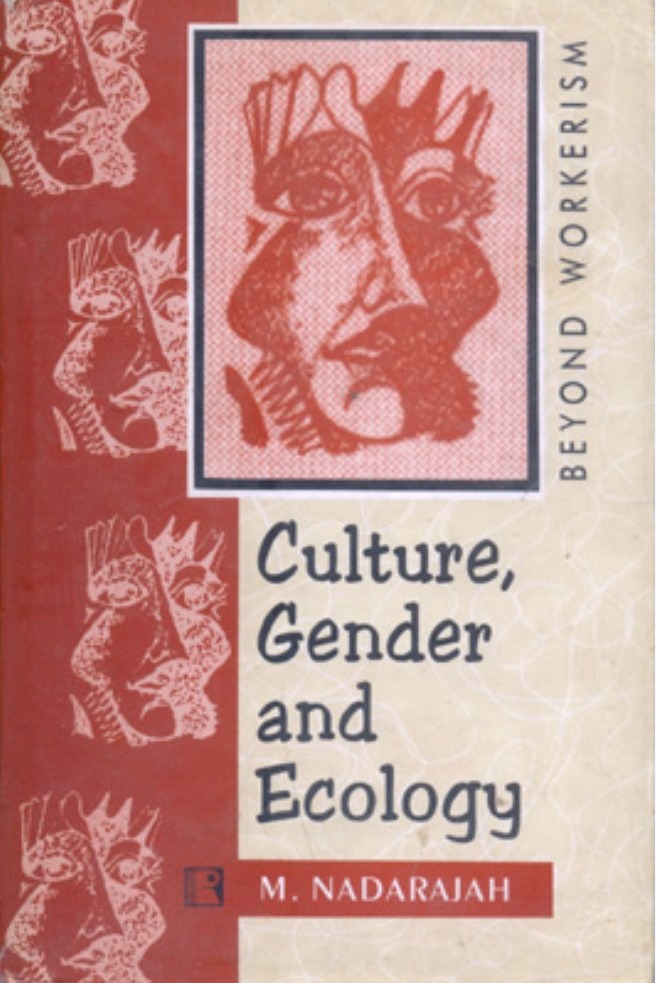
Culture, Gender and Ecology (1999)
Culture, Gender and Ecology: Beyond Workerism does not dismiss class or the realities of the working class. Rather, it seeks to deepen and consolidate the achievements of the working-class movement. This consolidation is already visible in practice, even if it has not yet been fully theorised. Working-class politics is increasingly connected with feminist, ethnic, cultural, and ecological struggles. The book, therefore, attempts to give this practical, experiential convergence a stronger conceptual and theoretical foundation.
To do so, it reworks Marx’s historical materialism, drawing selectively on some of Mao’s critical insights (for example, non-antagonistic contradictions). In this process, the effort introduces several 'original' ideas: it reconsiders communism; proposes the category of the “individual-in-relations” in place of 'relations of production'; revises self-other relations through the idea of open self-mediation; expands dialectical universalism into dialogical universalism; and redefines the emancipatory subject as multi-self and multi-identity rather than purely proletarian. It also gives the body (and embodiment) a more central role, broadens the concept of power to include both political and cultural/semiotic dimensions, and rethinks class transformation in relation to non-class social forces and the coexistence of multiple social totalities. At the end, it proposes a 'non-workerist model of historical materialism'.
(This book is based on my PhD thesis -- A research work over 3 years at Jawaharlal Nehru University, India.)
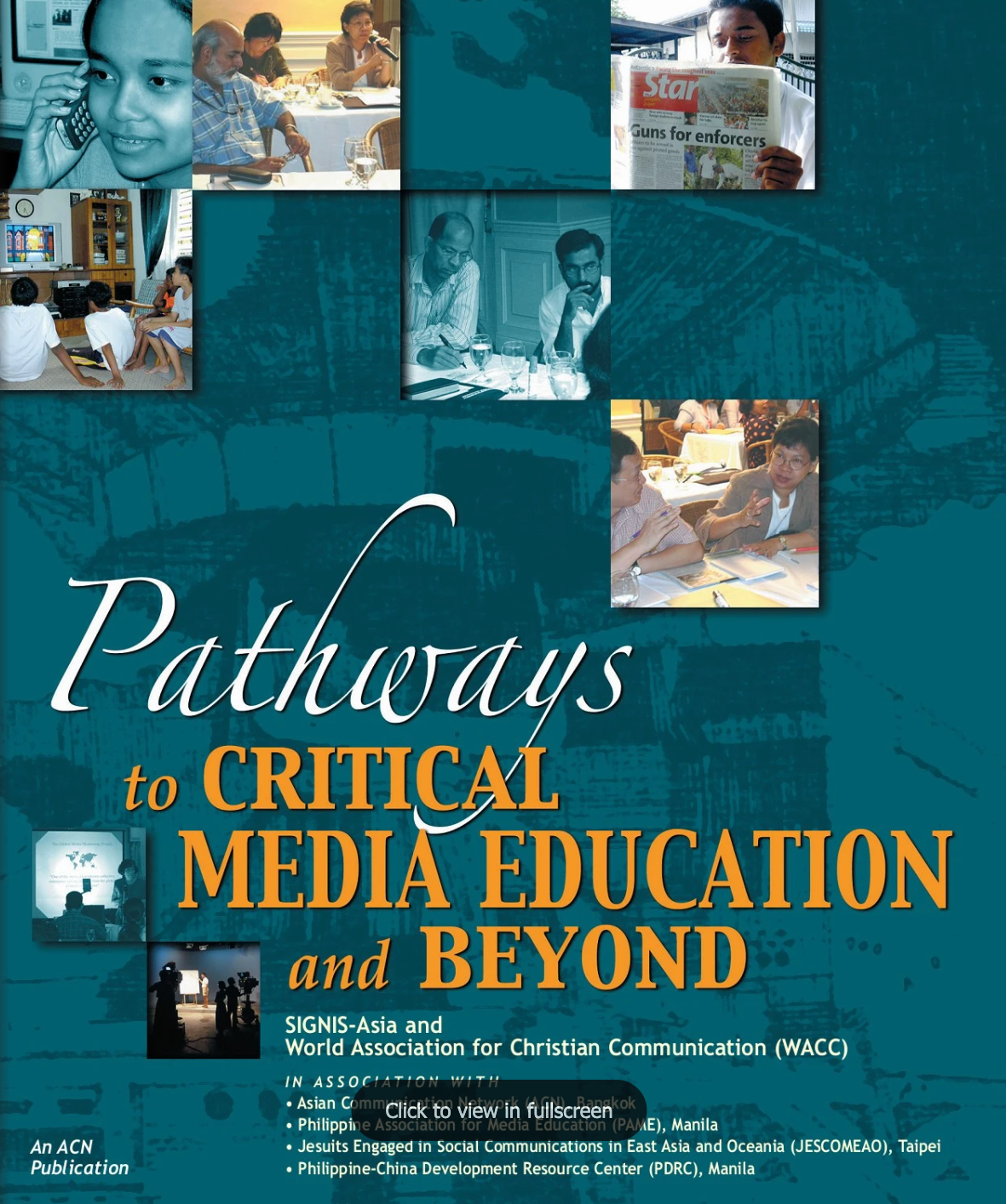
Critical Media Education (2003)
Most of us today experience the world, most of the time, through the mainstream mass media. It is the media-ted realities rolled out by the media — print, electronic, and the new media — in the form of words, images, and sounds, and the 'framing' (what we see, hear, and read) and 'narrative ordering' (how we are made to see, hear, and read) constructed by the media that contribute to our prejudices, our 'mis-recognition' of what is 'real', as well as our understanding of our world. This position and role of the mass media has given it immense power in contemporary society. While the contribution of the mass media to our progress cannot be denied, its direct ties to economic and political interests have led to it being largely and continuously used to create a mindlessly materialistic, spiritually empty, socially and economically unequal, politically undemocratic, and culturally homogeneous, unsustainable world — a world, in essence, without a future. We clearly need pathways out of this quagmire.
The building of socio-culturally rich, sustainable futures that are spiritually vibrant, socially and economically equitable, politically democratic and people-centred, and culturally polycentric and dialogic requires the active collaboration and networking of many movements taking up issues such as human rights, cultural freedom, environmental protection, conservation, and identity, among others. Among these movements, one that certainly has a major role to play in the construction of better futures is the one that ceaselessly engages with the mainstream mass media in dealing with issues such as the concentration of media ownership, the distorted representation of reality for marketing, sales, and mass consumption, and the promotion of unsustainable lifestyles.
The collection of articles in the book attempts to move media education away from the purely educational-institutional approach (which mostly serves media industries) and focuses on the contributions of civil society organisations (hence, critical media education that serves ecological, social and cultural causes).
(This is an edited collection of papers presented at an event on critical media education.)
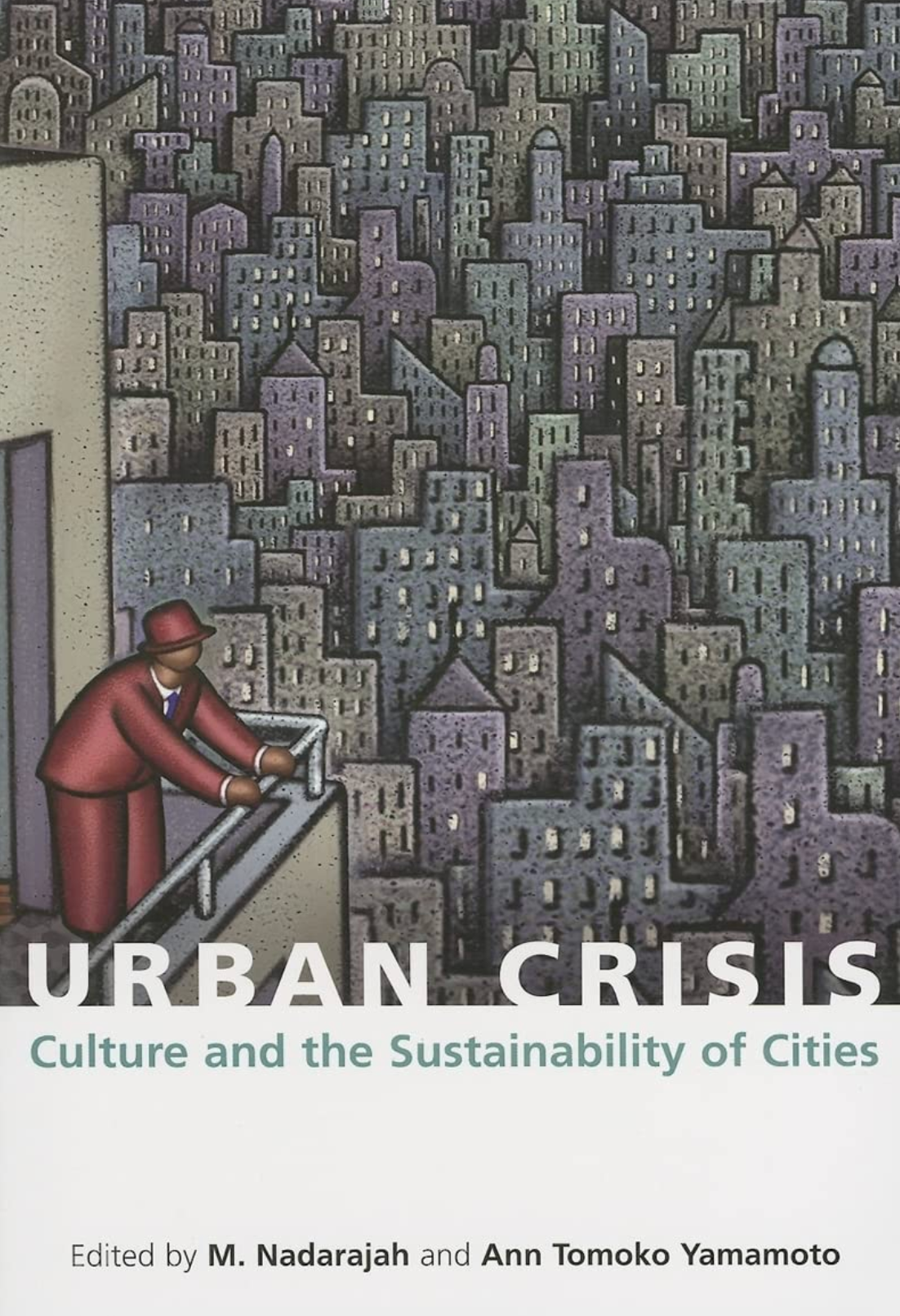
Urban Crisis (2007/Co-Edited)
Unprecedented urban growth makes sustainability in cities a crucial issue for policymakers, scholars and business leaders. This emerging urban crisis challenges environment-based and economic-based approaches to sustainability and brings to the forefront the multifaceted and critical role that culture plays in ensuring that cities are viable for future generations. Culture provides fertile ground for new approaches to sustainable development at the local level. Urban Crisis contributes toward a theory of culture in sustainable cities and assesses the use of cultural indicators as a tool for policymakers. The authors include useful case studies of Patan, Nepal; Penang, Malaysia; Cheongju, South Korea; and Kanazawa, Japan. This book offers fresh insights into the role of culture in fostering community development, environmental awareness, and balanced economic growth. It will be of particular interest to students of urban studies, academics, and civil society groups working on urban issues.
Excerpt/Last Para: "To conclude, the proposal of the Kanazawa Initiative for the sustainability of (Asian) cities can be concretised in terms of a definite theory
and practice of sustainable urbanisation. Such a theory would contribute
to a better understanding of culture, its specificity, cultural identity, and
endogenous notions of sustainability; globalisation and its relationship
to local cultural specificities and sustainability, the non-material culture
and its relation to economic value creation; the nature of economic de-
development (not growth); formulation of sensitive cultural indicators; and
governance and policies for a sustainable mode of engagement with cul-
ture within cities. This would further mean the separate and integrated
development of a theory of culture and localism; a theory of globaliza-
tion; a theory of value (going beyond the economic and the material); a
‘‘theory of practice’’ of indicators development; and a ‘‘theory of practice of governance. These would all contribute to building a ‘‘cultural
theory of sustainable urbanisation. This opens a massive intellectual enterprise with long-term practical implications. The full articulation and
development of these areas would certainly constitute what may be
called the ‘‘Kanazawa School of Sustainable Urbanisation".
(This is an edited volume on an UN University-supported 4-country study – Japan, Korea, Malaysia, and Nepal -- on sustainable urbanisation.)
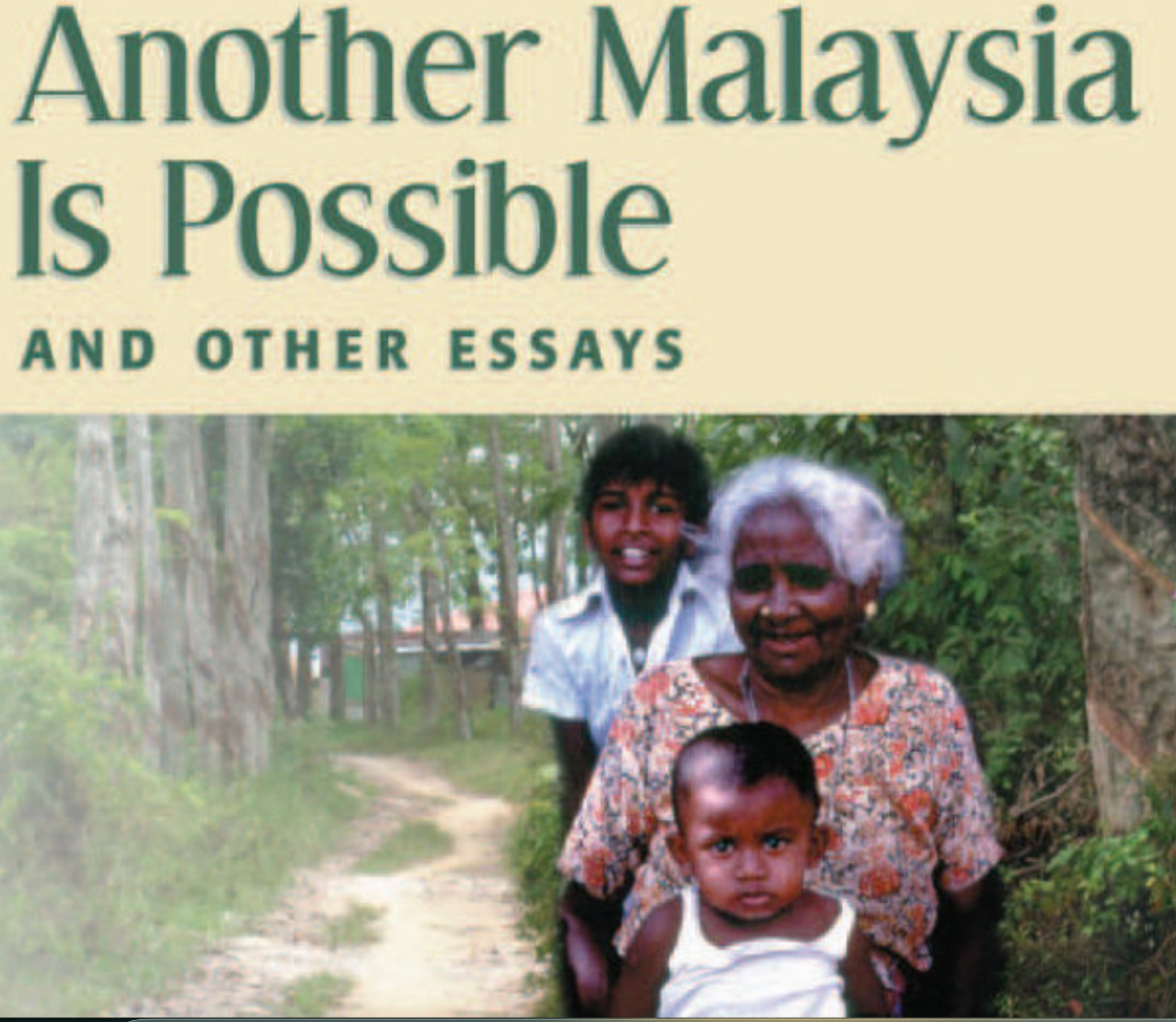
Another Malaysia is Possible and Other Essays (A Collection Of Writings on Culture and Politics for a Sustainable World, 2004)
Writings on Culture and Politics for a Sustainable World. The essays in this volume were written over seven years, i.e. from 1996 - 2003. They consist of newspaper articles, opinion pieces and comments, papers presented at seminars and workshops, and chapters in edited books and reports. At a minimum, it is a record of the issues that affected me as an individual and my responses to them. At a maximum, I hope the essays offer some material for discussion of sustainable futures we can shape in Malaysia. It is my hope that the issues raised here and the arguments developed to address them extend the terms of discussion for a sustainable Malaysia and world among younger Malaysians. That is my humble hope.
(This is a collection of my essays responding to local realities.)
Building Democratic Media (2011)
Contributions to Critical Media Education and Sustainability: Observations made here are based on the research promoted by the Global Media Education project of SIGNIS World and is on the status of media education initiatives in Asia and the Pacific. Contributions to the study conducted in 2004 come in three forms: a survey, a case study, and an article (from secondary-source research). The countries that participated were Fiji, India, Malaysia, Pakistan, the Philippines, the Solomon Islands, and Thailand. The reports of the eight studies provide a rich source of information on media education initiatives. While there is certainly a lot of variation across the reports, all provide good starting points for deliberations and for understanding critical media education in Asia and the Pacific. (2011)
(This is based on 7-country study on critical media education.)
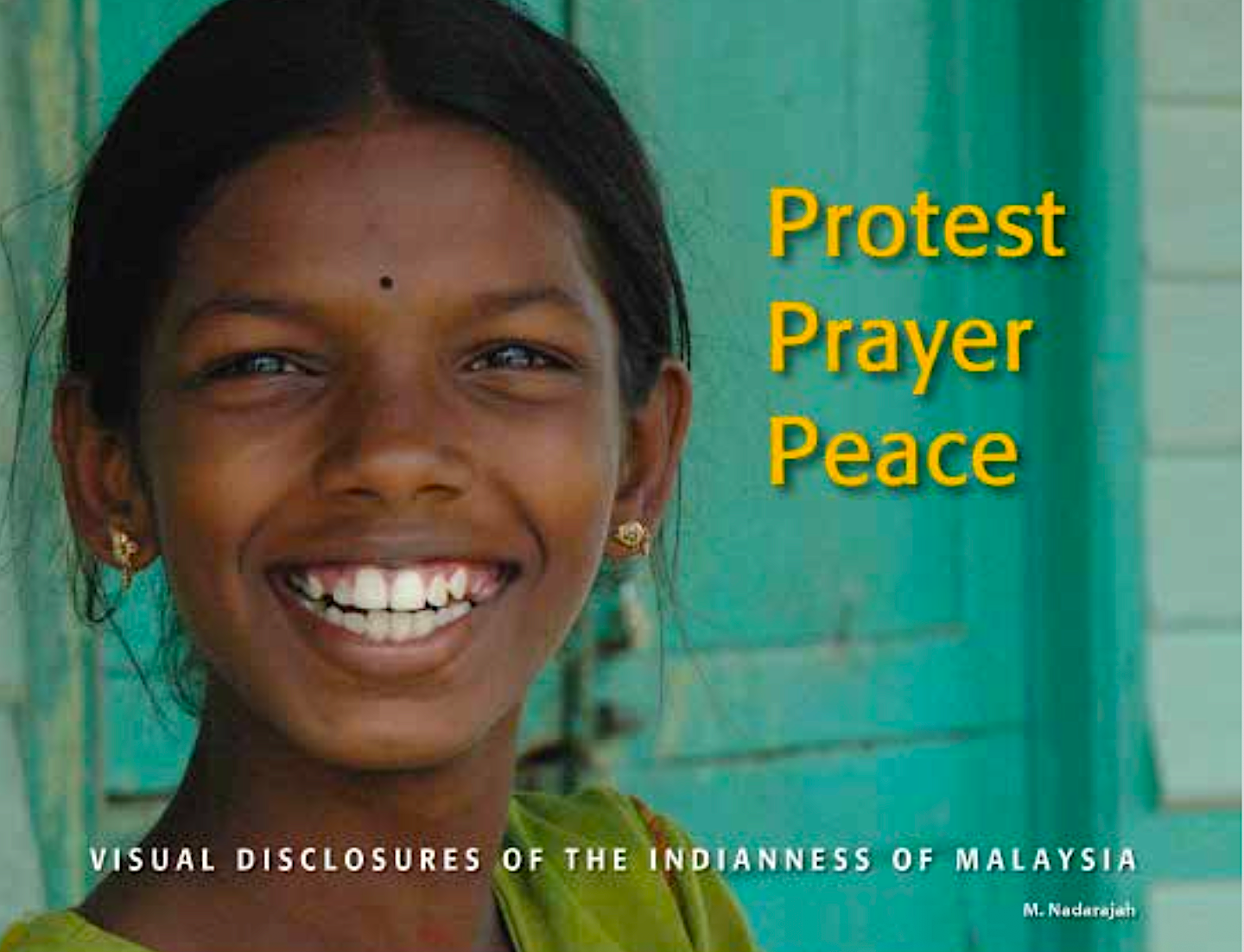
Protest, Prayer and Peace
A visual exploration of the "Indianness" of Malaysia. A collection of personal photographs over a period of 15 years (1999 to 2016). Work is delayed but in slow progress. (Layout design by Adeline.)
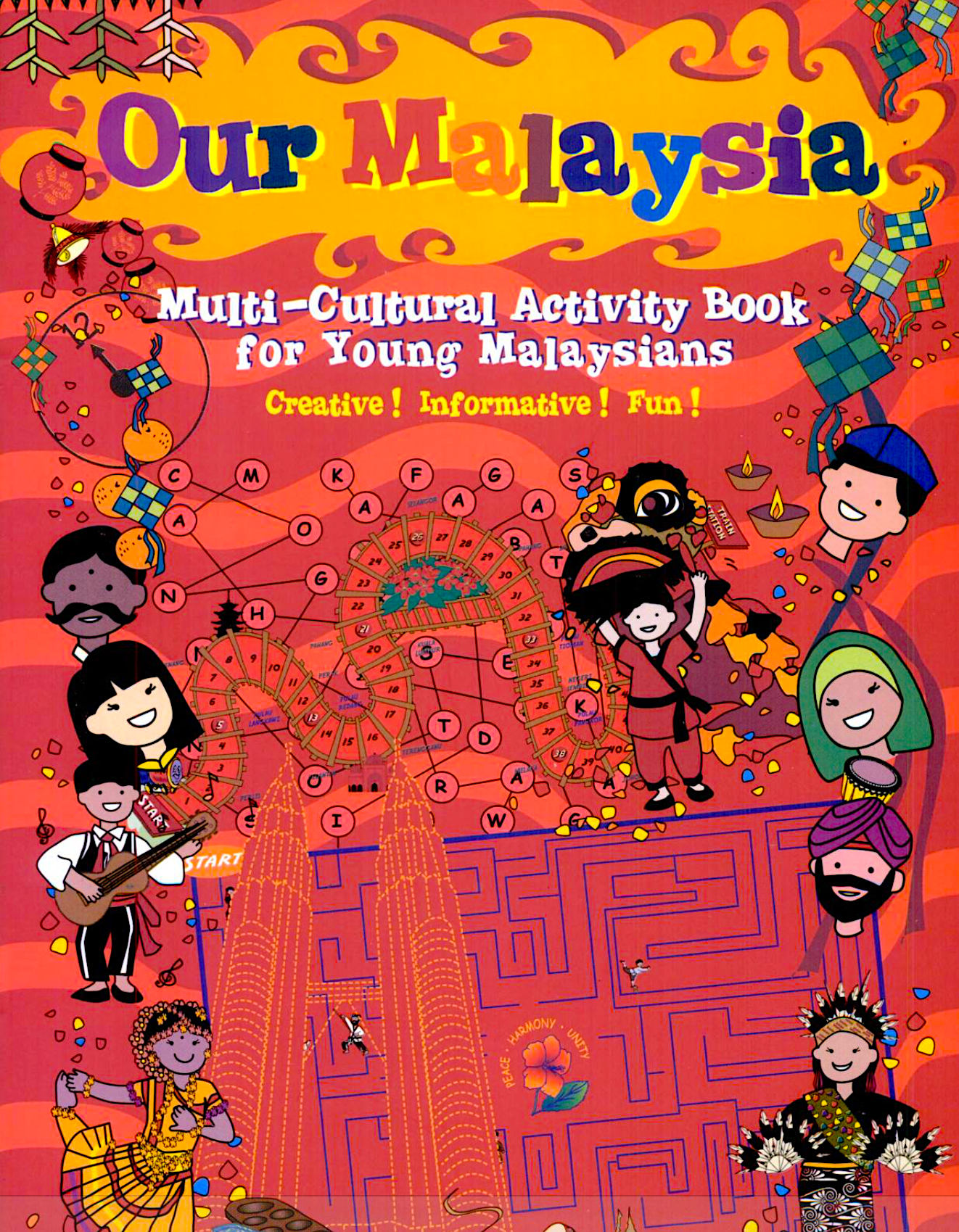
Our Malaysia (2005)
A multicultural activity book for young Malaysians. Contributed as the research and creative head. Worked closely with Yazdi Jehangir (who initiated the concept) and Adeline (the designer of most of my earlier books).
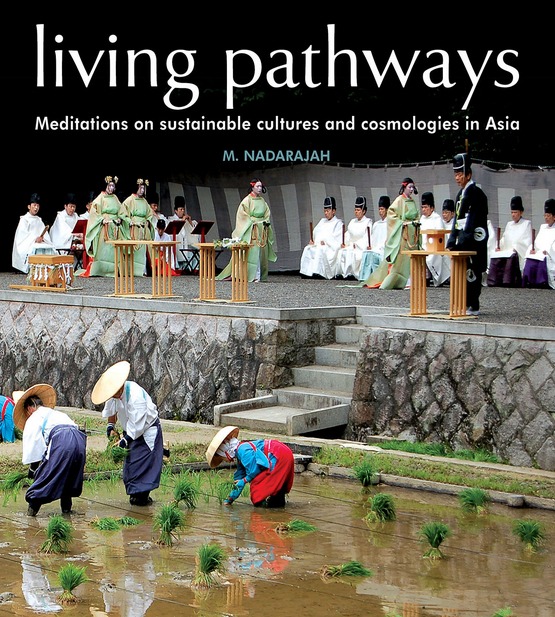
Living Pathways (2014)
In 2005, M. Nadarajah embarked on a journey into the heart of Asia to research culturally embedded notions of sustainable development. He met with the indigenous communities of Henanga, Ainu, Lanna, Karen, Kankanaey, Balinese, and several others. These cultures reside far from the problems of mainstream development, both physically and spiritually. Their lifestyles incorporate philosophies of interconnectedness, the sacredness of Nature, and the continuity of past, present, and future. Rather than offering notions of sustainable development, these life-affirming philosophies pave the path-ways toward deep sustainability.
On this path, we find answers to how we must change as a society to preserve our world for all future generations. But do we have the collective will to overcome our consumptive habits and start living responsibly? Living Pathways offers its readers a chance to meditate upon these questions. It provides meaningful directions towards the spiritual paths of sustainable communities we often take for granted. Above all, it shows the reader a picture of the world we live in as it could be if only we choose to make it so."
(This book is based on a one-year study covering Thailand, Indonesia, Philippines and Japan as part of Asian Public Intellectual programme offered by Nippon Foundation.)
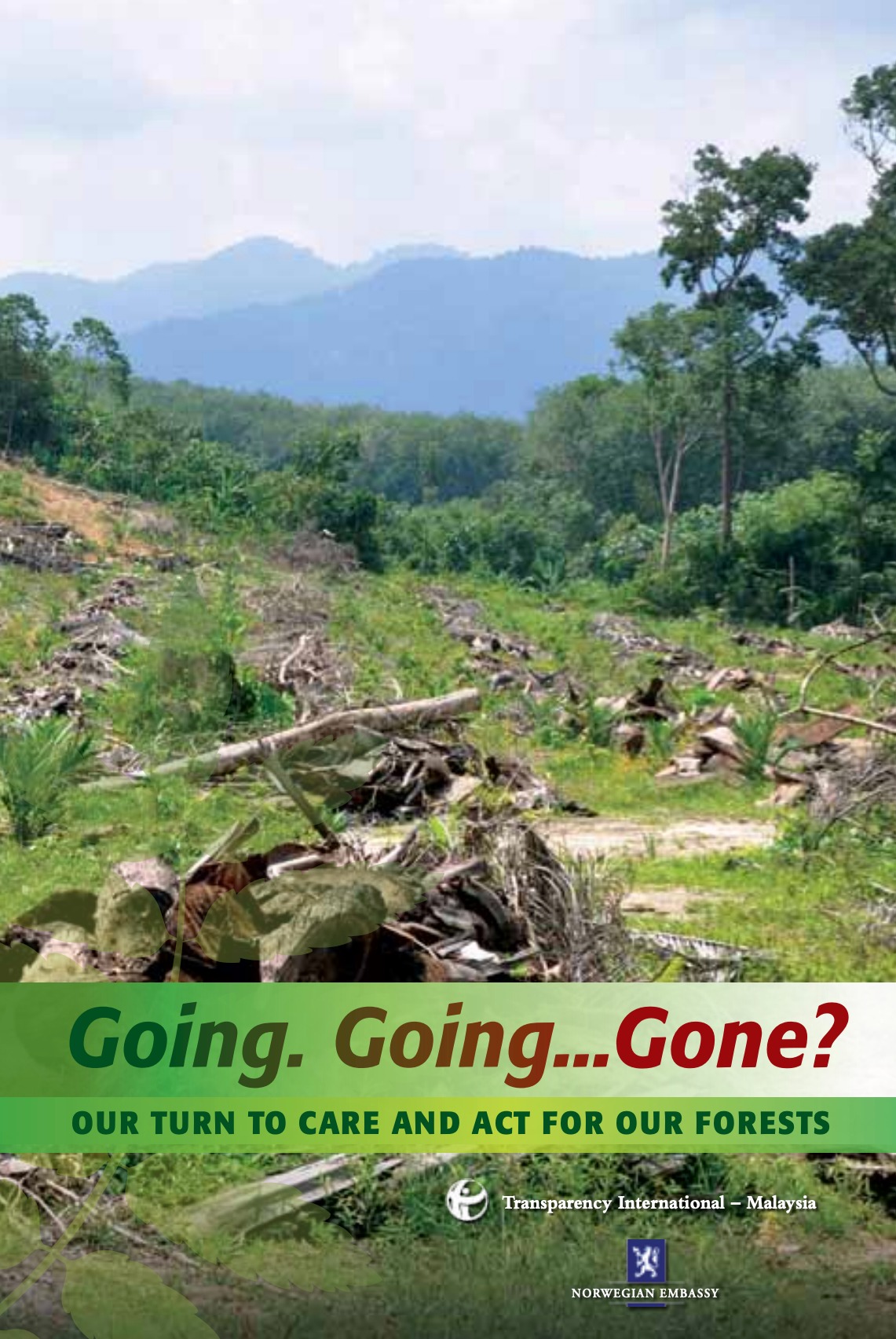
Going, Going...Gone (2013)
FORESTS are essential for the planet’s well-being. Its degradation is a pressing social, economic and environmental challenge, affecting the daily lives of millions of people. The importance of forests has long been recognised, yet even after years of advocacy from local and global pressure groups; the illegal harvesting of timber continues to thrive on the back of corrupt behaviour and opaque governance systems. Transparency International-Malaysia’s Forest Governance and Integrity Programme (TI-M-FGI) tackles corruption as a primary driver of illegal logging and inconsistent forest management. The programme looks at corruption at all stages of timber production and processing and examines how it facilitates unsustainable harvesting, production, conversion, export, import and procurement of timber and wood products.
Creative consultant for the project under TI, Malaysia. You can access the book here.
Eco-Manifesto (2013)
Contributed, edited (English part) and partially co-ordinated the writing and production of this manifesto. Bilingual, in Bahasa Malaysia and English. Produced by TI (Malaysia). Designed by Adeline. "We are in a global eco-emergency."